

I used to lose days every time a rental application came in.
It did not matter whether I was screening for my own properties or helping investor clients fill theirs. The routine was always the same. Applications came in by email, PDF, or sometimes even on paper. Something was always missing.
Then came the follow-up emails, the wait for extra documents, the phone calls to employers, the separate credit and background checks, and the constant question hanging over all of it: can I actually trust what I am looking at?
Now the whole process takes about 10 minutes.
The change was not just about moving faster. It was about replacing guesswork with verification, reducing vacancy loss, and making the experience better for both landlords and renters.
"The true innovation in modern tenant screening extends beyond mere speed; it’s about transforming a historically opaque, fragmented process into a transparent, trust-building dialogue, empowering both renters and property managers with verified information to foster stronger, more secure tenancies from day one."
Taylor Wilson, CEO of Rent with Clara
If you have ever screened tenants manually, this probably sounds familiar.
A renter submits an application. You review it and notice gaps. Maybe you need updated pay stubs. Maybe you need an ID. Maybe something looks unclear and you need another document to make sense of it. So you send an email asking for more information and then you wait.
Sometimes the response comes back quickly. Sometimes it takes a day or two. Once the files arrive, the work is still not done. If the income proof is a pay stub, you may still need to contact the employer.
If the references look fine on paper, you still have to wonder whether they are legitimate. On top of that, credit and background checks often happen through a separate service with a separate workflow.
By the time everything is collected, cross-checked, and pieced together, three days can pass easily, and that is the best-case version.
The bigger problem is that manual screening creates a false sense of certainty. You can spend all that time chasing documents and still feel unsure. PDFs can be altered. References can be unreliable.
A person on the other end of the phone is not always who they claim to be. That is what made the process so frustrating. It was slow, but it also never felt fully dependable.
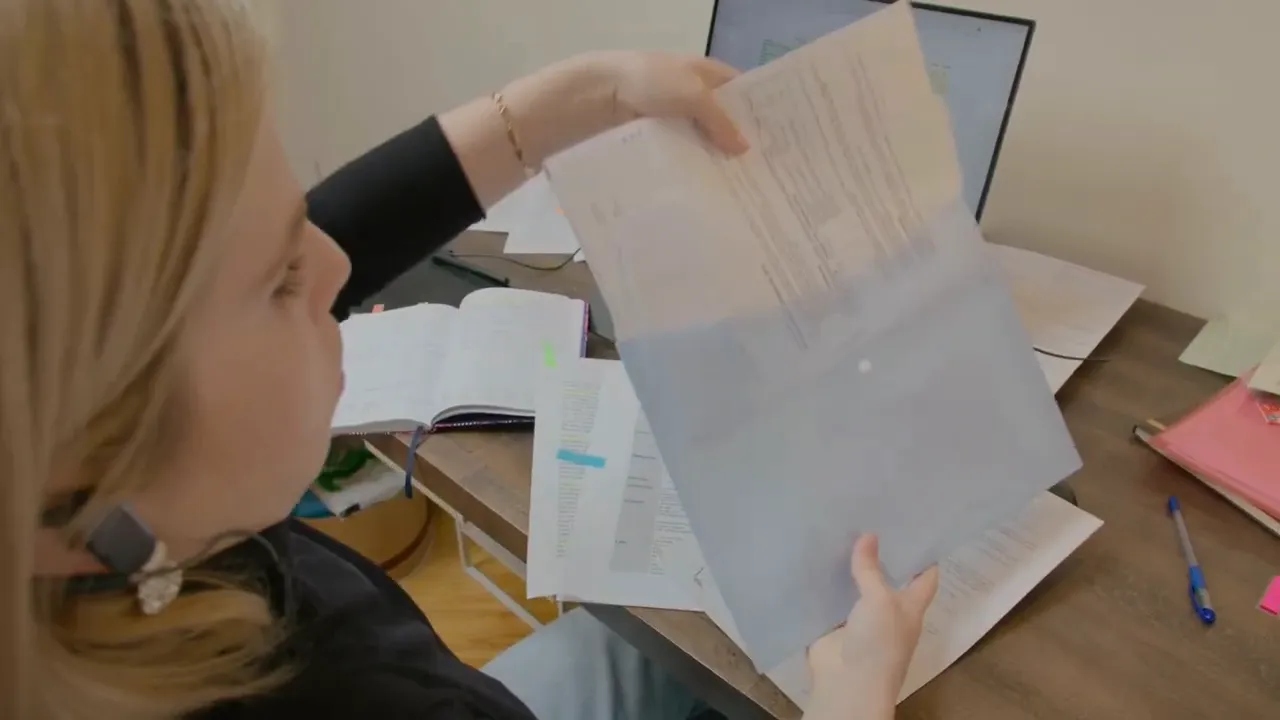
When screening drags out, the cost is not abstract.
For investor clients, every extra day means the unit sits vacant longer, and vacancy loss adds up fast across multiple units. For your own rentals, that hit is even more personal. Lost rent from a vacancy is not something you get back later.
But the cost is not only financial. Slow, fragmented screening also affects decision quality. When information comes from a patchwork of emails, phone calls, PDFs, and third-party reports, it becomes easier to miss something important.
Good renters can be overlooked because a document looked suspicious even when it was not. At the same time, an unqualified applicant can slip through because the process depends too much on incomplete or manually checked information.
That is why the real goal is not just speed. It is confidence.
The biggest upgrade in tenant screening is simple: move from manual verification to automated verification.
Instead of collecting files and hoping they are real, modern screening tools can connect directly to trusted data sources. Income can be verified through payroll integrations and employer details instead of self-submitted pay stubs.
Identity can be confirmed through secure verification rather than a glance at a scanned ID. Credit and background information can be pulled into the same workflow rather than handled somewhere else.
That shift changes the whole experience. You stop organizing paperwork and start reviewing verified information.
Whether you use Clara or another platform, three things matter most.
Real-time verification. The tool should verify information automatically, not just collect it neatly. Some systems make the paperwork easier to manage, but they still leave you doing the same manual follow-up.
A better system connects to real sources of truth so the verification happens in the background. For income and employment, that means direct payroll integrations and employer details rather than self-reported documents.
For screening history, it means integrated credit and background reporting from established providers.
Transparency for renters. This one is easy to overlook, but it matters a lot. Renters should know exactly what is being verified, what is being shared, and when it is being shared.
They should have visibility into their own information rather than sending sensitive documents into a black box and hoping for the best. That kind of transparency builds trust early, and it gives renters a chance to spot and address issues before they submit an application.
All-in-one functionality. You should not need five separate services to make one leasing decision. A strong screening platform brings the essentials into one place: identity verification, income and employment verification, credit screening, and background checks.
When those pieces live inside one workflow, you save time, reduce errors, and avoid the chaos of bouncing between tools.
Here is what this looks like in practice. I use Clara because it is the system I built for this exact problem, but the workflow itself reflects what modern screening should look like across the board.
Step 1: The renter creates one verified profile. The process begins when a renter finds the listing and chooses to apply. Instead of submitting disconnected files every time, they create a verified, reusable profile that can be used across multiple applications on the platform.
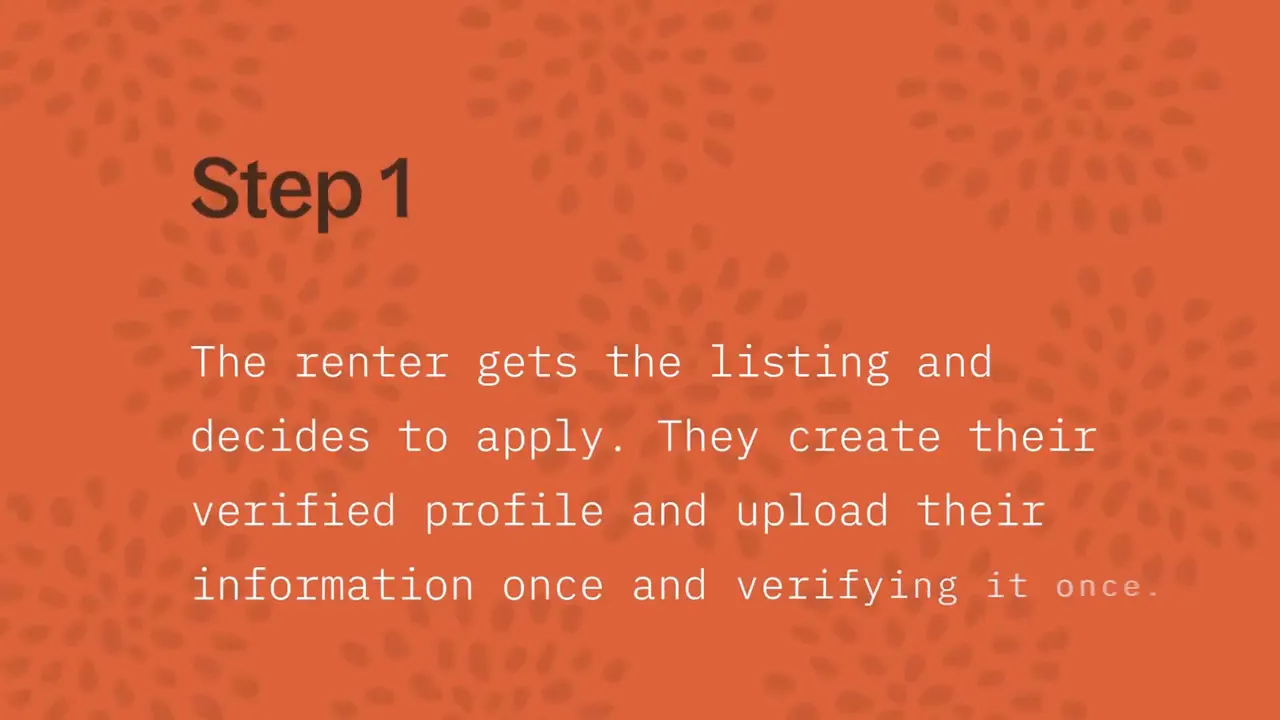
This is better for landlords because the information comes in more cleanly. It is better for renters because it respects their time. They do not have to restart from zero for every property.
Step 2: The platform verifies everything in the background. This is where the process really changes. Once the profile is created, the system handles verification automatically. Income and employment are confirmed through payroll integrations and employer details.
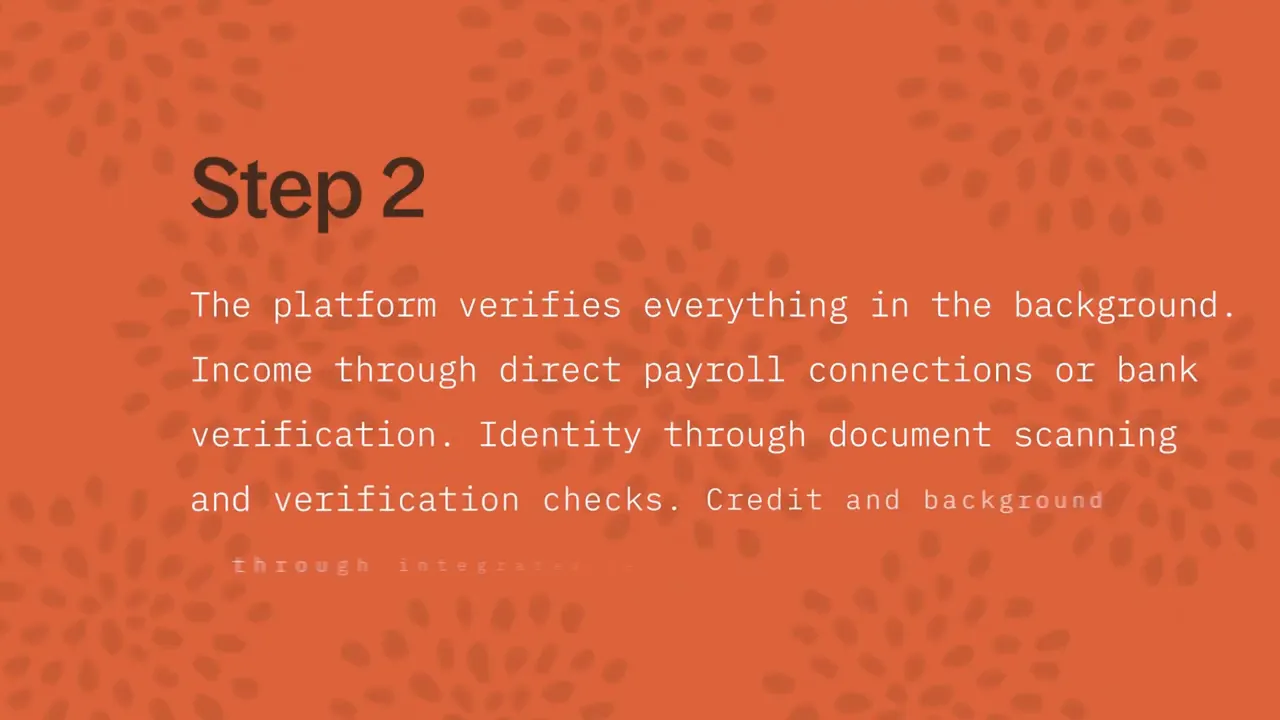
Identity is verified directly rather than taken on faith. Credit and background checks run through integrated reporting as part of the same workflow. The important part is not any single feature.
It is the fact that verification is happening directly and systematically, instead of relying on phone calls, PDFs, and crossed fingers.
Step 3: You review a complete application. Within about 10 minutes, sometimes faster depending on the verification steps, the verified profile is ready to review. At that point, you are not staring at fragments.
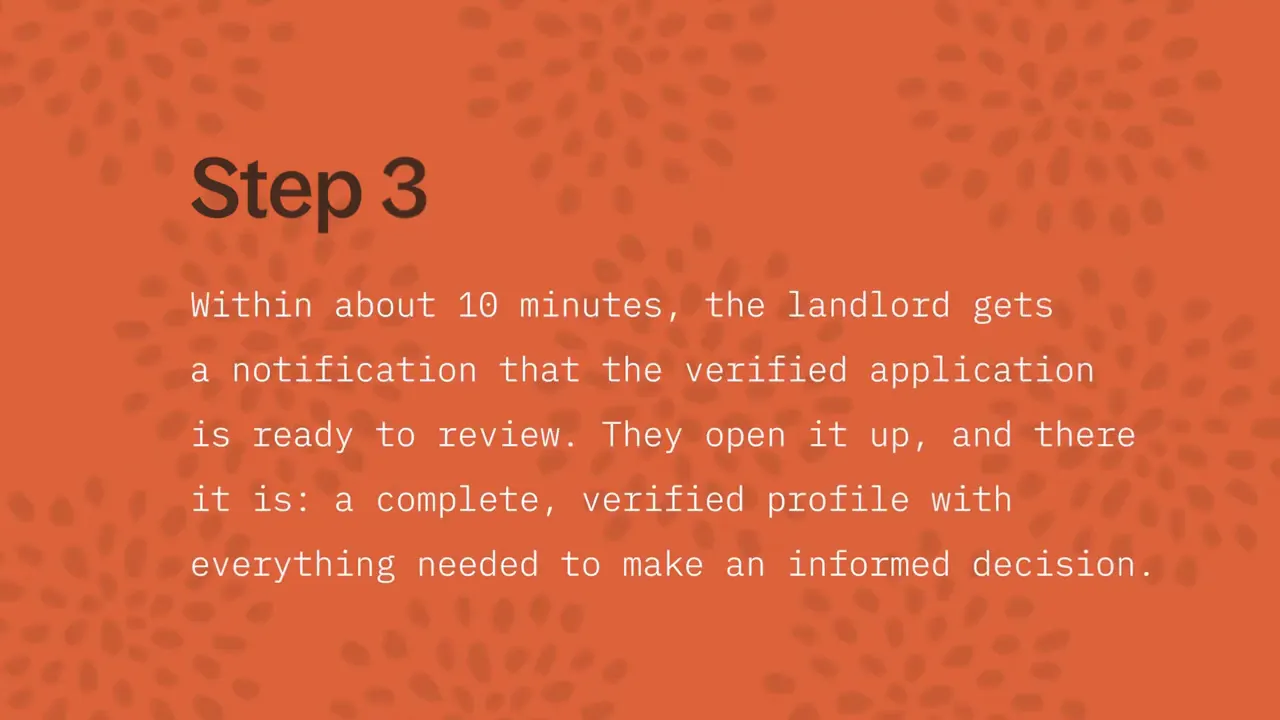
You are looking at a complete package with the information you need to make an informed decision. No chasing documents. No employer phone tag. No wondering whether the files are legitimate. Just a clear, verified application that you can evaluate with confidence.
Modern screening is not only a landlord efficiency upgrade. It is also a better renter experience.
When renters can see what information is being shared, they have more control. If something needs attention before submission, they can deal with it early, which helps avoid confusion and creates a more transparent relationship from the start.
That transparency also helps reduce liability. Sensitive personal information is handled through a structured process instead of being scattered across email threads and attachments. For renters, that feels more secure. For landlords and property owners, it feels more reliable.

Getting time back is great, especially when you are managing multiple properties or juggling client work. But the bigger impact goes beyond convenience.
Better information leads to better decisions. When applications come in with verified, comprehensive data, you can evaluate them more fairly, without leaning as heavily on instinct or trying to interpret an incomplete paper trail.
Faster screening helps fill units faster, too. In a competitive rental market, speed matters. If a qualified renter can be reviewed the same day they apply, you have a much better chance of reducing vacancy and securing a good fit quickly.
The process also becomes more equitable. When criteria are verified consistently and renters understand what is happening, the experience feels less arbitrary, and that builds a system that is easier to trust on both sides.
If you are still screening the old way, the main takeaway is not that you need one specific software platform. It is that tenant screening no longer has to be a slow, manual gamble.
The standard to aim for is straightforward: verification should happen in real time, renters should have visibility and control over their data, and the full screening workflow should happen in one place. Once those three pieces are in place, the process gets faster, cleaner, and much more dependable.
I use Clara for my own properties because it solves exactly those problems. If you want to explore how it works, you can sign up for free at rentwithclara.com and see whether it fits the way you manage applications.



.png)

.png)
.png)

.png)

.png)