The majority of tenant requests fall into a handful of predictable categories: plumbing, HVAC, pest control, locks, appliances, and noise complaints.
Having a standard response process for each category means you're never starting from scratch when a request comes in.
Most common tenant requests can be resolved within a few days with the right contractor relationships already in place.
Tenant satisfaction depends more on how quickly and clearly you respond than on how quickly the actual repair is completed.
Some requests, particularly those involving health and safety issues, carry legal timelines that landlords need to know before they get a call.
Most tenant requests aren't complicated. A dripping faucet, a slow drain, a thermostat that isn't cooling the unit, a lock that sticks. These are routine issues that come up in any rental property, and the landlords who handle them well aren't the ones with special expertise. They're the ones with a system.
Overcomplicating tenant requests usually happens when a landlord treats each issue as unique and figures out a response from scratch each time. A simpler approach is to recognize that most requests fall into a small number of common categories and build a standard response for each one. This guide covers the most common tenant requests, how to respond to each efficiently, and how to build a system that keeps the whole process manageable.
Why a System Matters More Than Speed Alone
Tenant satisfaction with maintenance response is driven more by communication and predictability than by how fast the repair is physically completed. A tenant who submits a request and hears back within a day, even if the actual repair takes a week, feels far more satisfied than one who hears nothing for three days, even if the repair itself only takes an hour once someone shows up.
This means the first priority in handling any common tenant request is acknowledgment, not necessarily resolution. Confirm you received the request, give a realistic timeline, and follow through. That structure applies across every category below.
Plumbing Issues
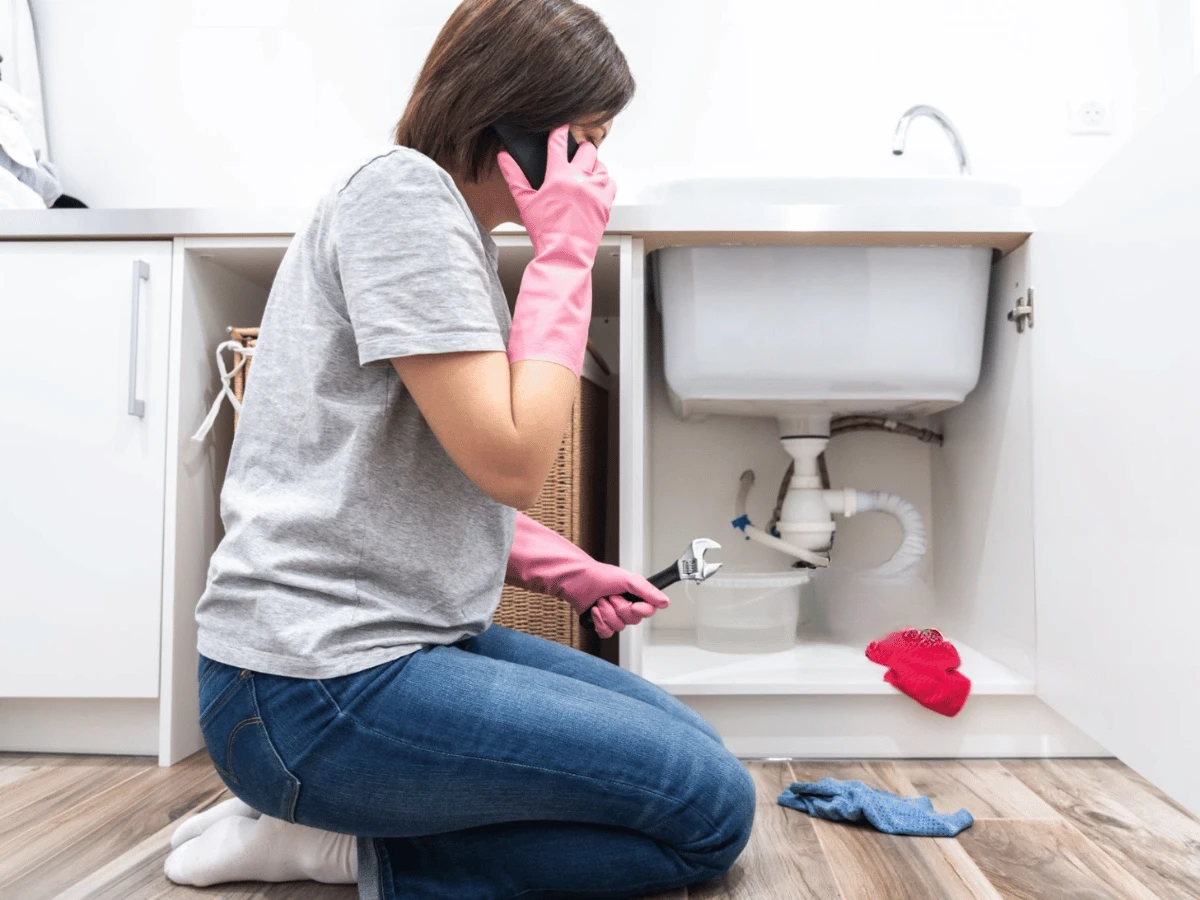
Plumbing is the most frequent source of tenant maintenance requests. Dripping faucets, slow or clogged drains, running toilets, and low water pressure make up the bulk of routine plumbing complaints.
Dripping faucets are usually due to a worn washer or O-ring and are inexpensive to fix, either by a handy landlord or by a plumber for $75 to $150. Address these promptly since a persistent drip wastes water and signals neglect if left too long.
Slow or clogged drains in sinks, showers, or tubs are often manageable with a plunger or a drain snake before calling a professional. If the clog is recurring, it may indicate a deeper blockage in the plumbing that needs professional attention.
Running toilets waste significant water if left unaddressed and are usually a simple flapper or fill valve replacement, typically under $50 in parts.
Water heater problems, including no hot water or inconsistent temperature, should be treated as urgent since they affect basic habitability. A water heater failure often requires professional repair or replacement, costing $150 for a simple fix to $1,000 to $3,000 for a full replacement.
For any plumbing issue involving standing water, a sewage backup, or a burst pipe, treat it as an emergency requiring a same-day response, since water damage compounds quickly and becomes more expensive the longer it's left unaddressed.
HVAC and Air Conditioning
Heating and cooling requests are seasonal but urgent when they occur. No heat during cold weather or no air conditioning during extreme heat are both treated as high-priority requests in most states, and some jurisdictions classify them as health and safety issues with legal response requirements.
No heat in winter should be addressed the same day. Contact your HVAC contractor immediately, and consider providing a space heater as an interim measure if the repair will take more than a day.
No air conditioning in extreme heat is equally urgent, particularly in regions where summer temperatures pose a genuine health risk.
Inconsistent temperature or reduced airflow is usually of lower urgency and often traced to a dirty filter, which is one of the simplest and cheapest preventive maintenance tasks available. Include filter changes on a routine maintenance schedule to reduce how often these requests come in.
Pest Control
Rodents, ants, cockroaches, and other pests are common tenant requests, particularly in older properties or units near green space, dumpsters, or shared walls with other units.
Take pest complaints seriously and respond quickly. In most states, pest infestations can be treated as a habitability issue, meaning failure to address them promptly can expose landlords to legal consequences, including rent withholding or lease termination by the tenant.
Contact a licensed pest control service for anything beyond a single ant or spider sighting. Schedule an inspection within 24 to 48 hours of the complaint and communicate the treatment plan and timeline to your tenant. Document everything, since recurring infestations sometimes require multiple treatment rounds, and clear records help track what's been done.
Locks and Security
Broken locks, lost keys, and lockouts are common tenant requests that carry a safety dimension beyond typical maintenance.
Broken locks should be treated as urgent regardless of repair cost. A tenant's sense of security in their home depends on functioning locks, and a broken lock left unaddressed creates both a safety issue and a liability exposure for the landlord.
Lockouts happen occasionally and are usually the tenant's responsibility to resolve through a locksmith, though many landlords keep a spare key on file to help tenants avoid the cost when reasonable. Decide on your policy in advance so you're not making an ad hoc decision every time it happens.
Requests to change locks, particularly after a breakup, a roommate's departure, or a security concern, should be accommodated when reasonable. Charging a modest fee for a non-standard lock change request is common practice, but clarify your policy in the lease so tenants know what to expect.
Appliance Issues
Refrigerators, dishwashers, stoves, and washer/dryer units (if provided) are common sources of tenant requests, particularly as they age.
For any appliance included in the lease, repair or replacement is the landlord's responsibility. Determine quickly whether a repair is worthwhile or whether replacement makes more financial sense, particularly for older appliances nearing the end of their typical lifespan.
A non-functioning refrigerator should be treated as urgent, since food spoilage and the tenant's ability to store groceries are affected immediately. Other appliance issues, such as a dishwasher not draining fully, are generally lower urgency but should still be addressed within your standard response window.
Noise Complaints
Noise complaints are different from physical maintenance issues because they usually involve a dispute between tenants or a nuisance from outside the property, rather than something that can be fixed with a repair.
For complaints about another tenant in a multi-unit property, address the issue directly with the tenant causing the disturbance without disclosing who filed the complaint. Reference the lease's quiet hours or noise provisions. If the behavior continues, document each incident and issue a formal lease violation notice if warranted.
For complaints about external noise (traffic, nearby construction, businesses), be honest with your tenant about what is and isn't within your control. Acknowledging the complaint and discussing any reasonable accommodations, even if you can't solve the underlying issue, goes a long way toward tenant satisfaction.
Local code enforcement offices can sometimes assist with noise complaints involving other properties or businesses, and it is appropriate to point tenants to that resource when the issue is genuinely outside your control.
Building a Standard Response Process
The key to handling common tenant requests without it becoming overwhelming is building the same basic process for every category:
Acknowledge within 24 hours. Every request gets a response, even if it's just to confirm you received it and provide an estimated timeline.
Categorize by urgency. Emergencies (no heat, flooding, broken locks, gas smell) get same-day attention. Urgent issues (no hot water, appliance failure) get 24 to 48 hours. Routine requests (dripping faucet, minor cosmetic issues) get scheduled within a week.
Have contractors ready for the most common categories. Plumbing, HVAC, pest control, and general handyman work cover the vast majority of tenant requests. Build relationships with reliable contractors in these categories before you need them, rather than searching under pressure.
Document everything. Keep a simple record of every request: date received, category, response, resolution date, and cost. This protects you legally and helps you track patterns, like a recurring plumbing issue that might indicate a bigger underlying problem.
Follow up after resolution. A brief message confirming the issue is fixed closes the loop and shows the tenant that you care about the outcome, not just the task.
Using property management software or a simple maintenance tracking spreadsheet keeps this process organized as your portfolio grows. Even a basic system beats handling every request as a one-off decision.
Preventing Common Requests Before They Happen
Preventive maintenance reduces how often you have to handle the most common tenant requests in the first place.
Change HVAC filters on a quarterly schedule regardless of whether a tenant has complained about airflow. Schedule pest control treatments seasonally in areas prone to infestations rather than waiting for a complaint. Test smoke detectors, check for slow leaks, and inspect locks and door hardware during routine property visits.
Some tenant requests are worth paying attention to beyond the immediate fix. A recurring drain clog might indicate a larger plumbing issue further down the line. Frequent HVAC service calls might mean the system is nearing the end of its life and due for replacement rather than repeated small repairs. A pattern of pest complaints across multiple seasons might point to an entry point in the building envelope that needs sealing.
Track your maintenance history over time so you can spot these patterns rather than treating each request in isolation. A repair that keeps coming back is rarely solved by repeating the same fix.
Frequently Asked Questions
How quickly should I respond to a tenant's maintenance request?
Acknowledge every request within 24 hours, regardless of urgency. For emergencies (no heat, flooding, broken locks, gas concerns), respond the same day. For urgent issues affecting daily living (no hot water, broken appliance), respond within 24 to 48 hours. Routine requests can be scheduled within a week, as long as you've communicated the timeline to the tenant.
Who is responsible for pest control in a rental property?
In most cases, the landlord is responsible for addressing pest infestations, particularly when the source is structural or affects multiple units. Some leases specify that tenants are responsible for pest issues caused by their own housekeeping habits, but landlords are generally expected to treat and resolve infestations promptly, regardless of cause, since pest issues often qualify as a habitability concern under state law.
What should I do if a tenant causes the damage they're reporting?
Document the reported issue and investigate before assuming responsibility. If the damage appears to result from tenant negligence or misuse rather than normal wear and tear, you may be able to charge the tenant for the repair, either directly or through the security deposit at move-out. Keep clear records and photos to support your assessment if the tenant disputes it.
Can I charge tenants for maintenance requests?
Generally, no, if the issue relates to normal wear and tear or the property's systems and structure. Landlords typically cannot charge tenants for standard maintenance and repairs required to keep the unit habitable. You can charge for damage caused by tenant negligence, misuse, or unauthorized modifications, but this should be clearly outlined in the lease and applied consistently.
The Bottom Line
Most tenant requests aren't complicated. They fall into a handful of predictable categories, and the landlords who handle them well have built a simple, consistent process rather than treating each one as a unique problem to solve from scratch.
Acknowledge quickly, categorize by urgency, have reliable contractors ready for the most common issues, document everything, and follow up after resolution. Add preventive maintenance to reduce how often these requests come in. That combination keeps tenant requests manageable, no matter how many units you're managing.
Taylor Wilson
Founder
Taylor Wilson is the Founder of Rent with Clara, a modern renter screening platform built to streamline the rental application process. As both a renter and an independent landlord, Taylor sits on both sides of the lease, and built Clara to give renters control over what they share while giving landlords reliable and verified applications.
Read Articles
1099 Tenant Proof of Income: Complete Verification Guide For Landlords




.png)

.png)
.png)

.png)

.png)


