Spring is the season that exposes everything winter tried to hide. Hidden leaks surface. HVAC systems that coasted through mild weather start failing when cooling demand spikes.
Gutters still packed with debris from fall storms direct runoff straight at your foundation. This spring rental property maintenance checklist covers what to inspect, what to fix, and how to stay organized so you're not fielding panicked calls from tenants once summer heat sets in.
Getting ahead of these issues now is less about following a rigid schedule and more about keeping an eye on the systems that quietly fail when nobody's watching them. The sections below walk through where to start and what tends to get overlooked.
Key Takeaways
A seasonal rental property maintenance checklist turns spring into the most effective window of the year to catch small issues before they become expensive ones.
Replacing air filters and servicing your HVAC system before summer prevents breakdowns during peak cooling season, helping extend the lifespan of the unit and maintain tenant satisfaction.
Cleaning gutters, inspecting the roof, and checking plumbing for winter damage are the three highest-priority items on any spring maintenance checklist.
A well-documented maintenance plan helps landlords track requests, reduce reactive repairs, and demonstrate habitability compliance if a dispute arises.
Spring is the right time to prepare for the season ahead — scheduling pest control, testing smoke and carbon monoxide detectors, and confirming your vendor list before the busy summer leasing season begins.
"True proactive maintenance extends beyond just fixing things; it's about systematically nurturing the entire property ecosystem, which demonstrably reduces long-term operational costs and, more importantly, proactively improves residents' quality of life—transforming a housing unit into a true home and fostering an environment of mutual respect and longevity."
– Taylor Wilson, CEO of Rent with Clara
1. Inspect the Roof for Winter Damage
The roof is the most expensive single system on a rental property, and spring is the right time to inspect what winter did to it. High winds loosen shingles, and freeze-thaw cycles crack flashing and seals. Small gaps that look cosmetic in March can turn into active leaks by May.
Walk the perimeter of the property and look up — most roof damage is visible from the ground: missing or curling shingles, sagging gutters, discoloration around vents or chimney flashing. Soft spots, exposed underlayment, or signs of ice damming from the previous winter warrant a professional look before spring rains arrive.
Left unaddressed, a damaged roof can lead to costly structural repairs and discomfort for residents, and it puts the plumbing, electrical, and HVAC systems at risk of becoming collateral damage.
What should I inspect first on my rental property in spring?
Start with the roof and gutters. These two systems are responsible for most water-related damage in rental properties after winter, and catching a problem early is far cheaper than dealing with the structural repairs, mold remediation, and lost rent that follow a missed leak.
2. Clean Gutters and Check Downspouts
Gutters fail quietly. Leaves and debris from fall accumulate through winter, and when spring rain arrives, clogged gutters overflow and send water directly against siding, fascia boards, and the foundation.
Clogged gutters can cause fascia damage, roof leaks, or foundation issues, so clearing them out before heavy spring storms is one of the simplest ways to avoid property damage this season. Flush downspouts with a garden hose and confirm they're sloping correctly to redirect runoff away from the foundation.
If you notice rust, corrosion, or gaps at the seams, repair those before they become a bigger problem. This is routine maintenance in the truest sense — unglamorous, but it prevents the majority of spring water intrusion issues.
3. Service Your HVAC System Before Cooling Season
HVAC is the maintenance item that generates the most tenant complaints when it fails, and it almost always fails at the worst possible time: the first hot week of the year.
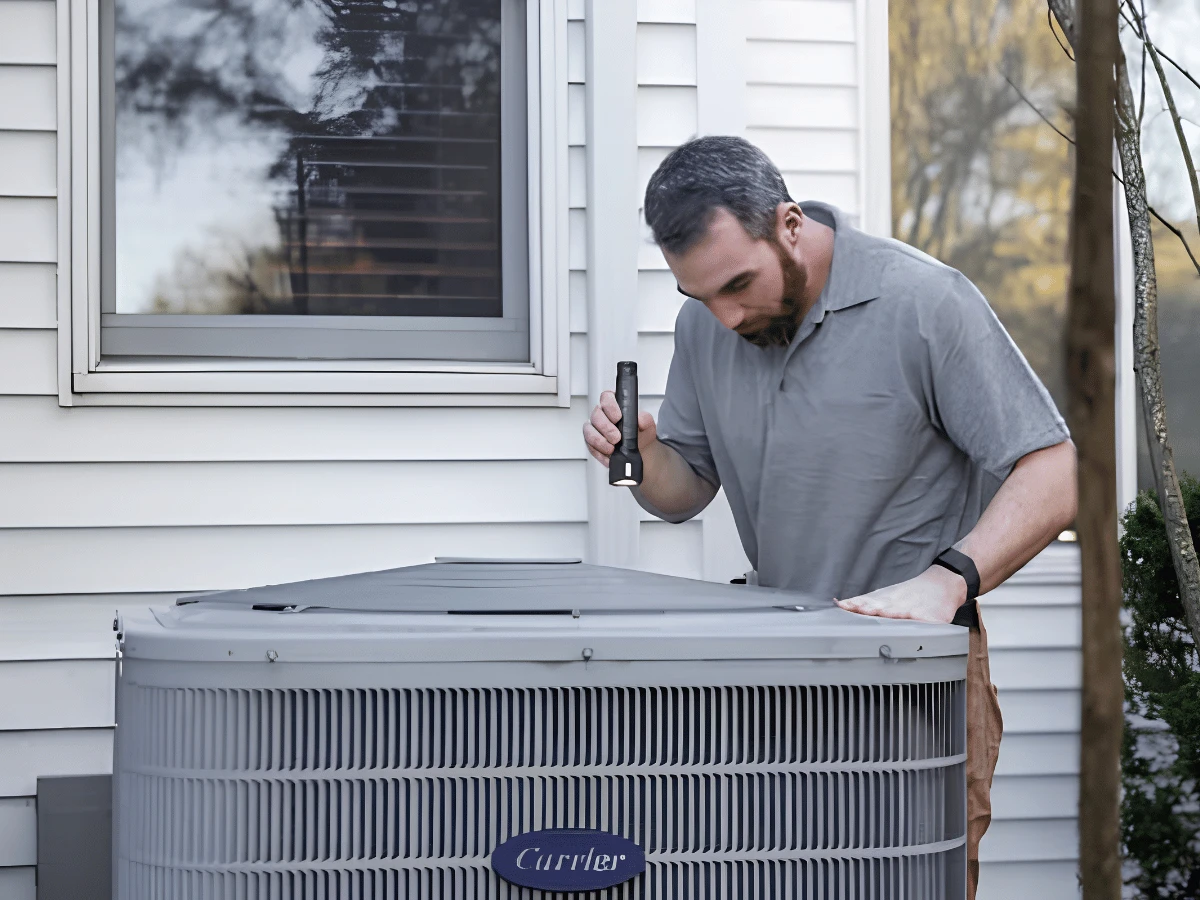
Spring is the right window to schedule professional servicing before the summer maintenance rush drives up contractor wait times. Have a technician inspect the outdoor condenser unit, check refrigerant levels, clean coils, and confirm the system cycles correctly — replacing air filters is the minimum task, not the whole job.
Test the thermostat, check ductwork for obvious gaps, and clear debris from around outdoor units. For multi-unit properties, document each unit's filter replacement date; that record matters if a tenant later claims the system was poorly maintained.
4. Check Plumbing for Freeze Damage and Slow Leaks
Plumbing problems from winter don't always announce themselves immediately. Pipes stressed by freezing temperatures can develop hairline cracks that only start leaking once water pressure builds with normal spring use.
Walk the property and run every faucet. Check for discoloration under sinks, inspect exposed pipes in basements and crawl spaces, and test outdoor spigots for drips after the first use.
A spigot that won't fully shut off or water pressure that feels inconsistent is worth investigating right away — catching it early goes a long way toward reducing the risk of a larger repair later. Water heater sediment is another overlooked spring task: flushing the tank removes buildup from winter and helps extend the lifespan of the unit while keeping it efficient heading into higher-demand months.
How often should landlords inspect plumbing in rental properties?
A regular seasonal rhythm works best — spring and fall, plus an extra check after any hard freeze. Encourage renters to report dripping faucets, running toilets, or slow drains as soon as they notice them; early reporting is one of the simplest ways to stay on top of water damage before it spreads.
5. Test Smoke and Carbon Monoxide Detectors
This is the most legally and ethically non-negotiable item on any maintenance checklist for property owners. It takes only minutes, and it protects both lives and liability.
Test every smoke detector and carbon monoxide detector in the unit. Press the test button, confirm the alert sounds, and replace batteries in any unit that's slow to respond
Aging detectors that no longer respond reliably should be swapped out. Log the test date, unit location, and any replacements made — that documentation matters if a habitability complaint is ever filed.
Many states require working smoke and carbon monoxide detectors as part of the obligation to maintain safe, habitable housing, and spring is a practical moment to confirm your current situation.
6. Inspect Windows and Doors for Drafts and Damage
Winter's expansion and contraction cycles pull caulking away from window frames, loosen weatherstripping, and can shift door frames slightly out of alignment. A minor gap in March turns into real energy waste by July, once air conditioning is running constantly.
Walk through the property and check every window and exterior door. Test locks to confirm they still latch securely, and look for cracked caulk around frames, condensation between double-pane glass (a sign the seal has failed), and weatherstripping that's compressed or torn.
Resealing windows and doors is a small task that affects tenant comfort, energy efficiency, and property value — the kind of detail that's easy to skip and expensive to ignore once it turns into costly repairs.
7. Schedule Pest Control Before Warmer Weather Activates Infestations
Insects and rodents that sheltered in the property's walls through winter become active as temperatures rise. Spring pest control isn't reactive — it's one of the most effective preventive steps a landlord can take.
Common spring problems include termites beginning swarming season, ants entering through foundation gaps, and mice relocating from wall voids to living spaces. A single early-spring pest control visit goes a long way toward reducing the risk of an established infestation and the structural damage termites cause to wood.
Trim back tree branches that touch the roofline and clear wood piles or debris from the property's perimeter — these contact points are how most insects and rodents get in.
8. Walk the Exterior: Foundation, Siding, and Landscaping
Spring is your first good look at what winter left behind, so walk the full perimeter of the property before tackling anything else.
Look for new cracks in the foundation or exterior walls — minor cracking that follows freeze-thaw patterns can signal shifting worth monitoring. Check siding for rot, peeling paint, or warped panels; wood siding and trim absorb moisture from snow contact and often show damage that isn't visible from a distance.
Trim overgrown shrubs and branches that have grown into contact with the roofline or siding over winter, since branches rubbing against exterior surfaces cause slow, invisible damage and give pests a direct route into the structure. Staying ahead of these details helps keep the property in good condition and supports how quickly you're able to re-rent a vacant unit.
9. Update Your Maintenance Calendar and Vendor List
The actual work of spring maintenance is only half the job. The documentation and planning side is what separates landlords who stay on top of their properties from those operating in constant reaction mode.
Confirm that your go-to contractors for plumbing, electrical, HVAC, and appliances are still operating, update their contact information, and schedule preventive visits now — before summer demand drives up wait times. A maintenance plan with seasonal reminders for each property helps you track requests, coordinate maintenance work across a portfolio, and keep a property documented and defensible if a dispute ever comes up.
Landlords managing several units often find that a system tenants can submit work orders through directly cuts down response time far more reliably than fielding texts and emails, which is part of why property management companies increasingly rely on digital tracking rather than paper trails.
What is the best way for landlords to track maintenance requests?
A digital system that timestamps each request and lets tenants submit work orders directly creates a record that protects you if habitability disputes arise, and it helps you spot recurring issues across units. Even a shared spreadsheet beats an inbox full of scattered texts and emails.
10. Review Lease Terms for Maintenance Responsibilities
Spring is also a good moment to reread lease agreements with fresh eyes. Are tenant responsibilities clearly defined? Do the leases specify who handles lawn care, filter replacements, or minor repairs?
Clear maintenance responsibilities are foundational to a good owner-tenant relationship, and stating plainly which tasks fall to the tenant and which stay with property owners helps prevent disputes before they start.
If a lease renewal is approaching, spring inspections offer a natural opportunity to walk the unit with the tenant, document its current condition, and address deferred rental maintenance before it compounds. A brief joint walkthrough builds trust, keeps the tenant informed, and often surfaces issues earlier than they'd otherwise come up.
Frequently Asked Questions
What spring maintenance task should landlords prioritize first?
Start with the roof and gutters. These systems bear the brunt of winter damage and are responsible for most water intrusion issues.
Catching roof gaps or clogged gutters early prevents costly structural repairs, mold remediation, and lost rental income.
How often should landlords inspect plumbing in rental properties?
Inspect plumbing twice a year — once in spring and once in fall — plus immediately after any hard freeze.
You should also encourage tenants to report minor drips, running toilets, or slow drains right away to prevent hidden water damage.
What is the most effective way for landlords to track maintenance requests?
Use a digital work-order system or property management app that timestamps every tenant request. This creates a clear paper trail to resolve habitability disputes and helps you track recurring issues across your portfolio.
At minimum, maintain a central spreadsheet rather than relying on scattered text messages and emails.
Should landlords service the HVAC system in the spring if it seems to be working fine?
Yes. Spring servicing is preventive. Scheduling an HVAC technician to check refrigerant levels, clean coils, and inspect ductwork before summer ensures the system won’t fail during the first heatwave, when contractor wait times and service rates peak.
Who is responsible for seasonal maintenance tasks like lawn care or air filter replacements?
Responsibilities depend entirely on the terms outlined in your lease agreement. Spring is the ideal time to review leases with tenants to clarify who handles minor upkeep (like replacing HVAC filters or clearing yard debris) and ensure both parties understand their roles.
Bottom Line
A spring maintenance checklist isn't just a to-do list — it's the difference between a property that runs smoothly through summer and one that generates a string of urgent calls the moment temperatures spike.
Working through this checklist property by property, documenting what you find, and scheduling deferred work before peak contractor season is one of the more reliable ways to protect your investment over time.
Well-maintained properties also tend to attract more reliable tenants, and that starts before move-in. Rent With Clara gives landlords a free, verified tenant screening and portable rental application process — covering identity, credit, criminal history, and eviction records — so you're leasing to tenants who are more likely to report issues early and take care of the property, rather than dealing with maintenance problems that go unreported until they're serious.
Taylor Wilson
Founder
Taylor Wilson is the Founder of Rent with Clara, a modern renter screening platform built to streamline the rental application process. As both a renter and an independent landlord, Taylor sits on both sides of the lease, and built Clara to give renters control over what they share while giving landlords reliable and verified applications.
Read Articles
1099 Tenant Proof of Income: Complete Verification Guide For Landlords


.webp)


.png)

.png)
.png)

.png)

.png)


