What are the key changes to Texas tenant screening laws in 2026?
Texas and federal rules evolve over time. If you include “what changed,” link to official sources or consult a Texas attorney to confirm what’s new.


The rental housing market is always changing. Landlords in Texas need to keep up with new laws. In 2026, staying compliant matters just as much as screening well—because mistakes can lead to delays, disputes, and legal risk. It's important for landlords to know their duties to avoid fines and unhappy tenants.
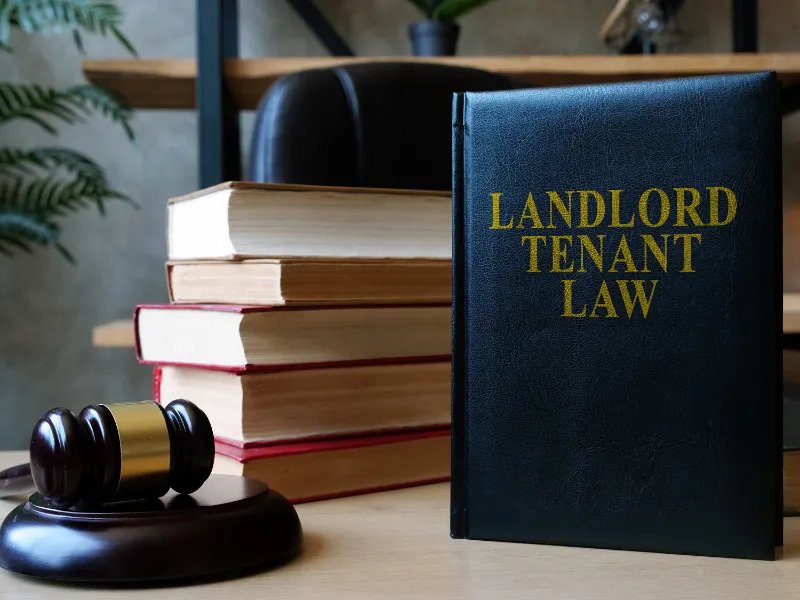
This guide covers the key points of tenant screening in Texas. You'll learn about the legal rules for screening, fair housing, and background checks. By following these rules, landlords can protect their properties and make renting smooth for everyone.
Note:This article is general information, not legal advice. If you’re unsure about a specific situation, consult a Texas attorney.
"What's often overlooked in discussions about Texas's evolving tenant screening laws isn't just compliance, but the opportunity they present for relationship-building. The changes—particularly around fair housing protections and security deposit handling—are pushing the rental industry toward what should have been standard all along: transparent criteria, consistent application, and documented decision-making. Smart property managers will recognize these aren't just legal hurdles but foundations for tenant trust. When screening processes are fair and well-documented from the start, they not only protect landlords legally but establish the tone for the entire landlord-tenant relationship, potentially reducing conflicts that lead to costly evictions down the road. The most successful property managers in this new landscape will be those who see compliance not as a burden but as a framework for building lasting tenant relationships."
Taylor Wilson, CEO of Rent with Clara
Instead of listing specific “2025 legislative updates” (like rent control changes) without citations, this section should focus on what landlords must consistently do to stay compliant in 2026.
In 2026, the biggest compliance risks usually come from process—not “new rent control laws.”
That includes:
If you want to include “what’s new,” add a short paragraph here that links to official Texas or federal sources for any specific updates.
Landlords in Texas need to know the laws for tenant screening. This includes the Texas Property Code, federal laws, and written notices. These rules help landlords follow the law and protect their rights.
The Texas Property Code sets rules for landlords screening tenants. It covers application fees, security deposits, and how to handle tenant info. Landlords must follow these rules to avoid legal trouble.
The Code also says how landlords can use application fees and what to tell potential tenants. It's key for landlords to know these rules well. This makes the screening process legal and smooth.
Federal laws also affect how landlords screen tenants in Texas. They must follow the Fair Housing Act and the Fair Credit Reporting Act. These laws are important for fair and legal tenant screening.
For more info on Texas tenant screening laws, landlords can check this resource.
Landlords must give out certain notices and disclosures when screening tenants. They need to tell tenants about the screening criteria and how they use consumer reports. This is to follow state and federal laws.
It's very important for landlords to give out all required disclosures. Not doing so can lead to legal problems.

Landlords must follow fair housing laws during tenant screening. These laws protect certain groups from discrimination. It's key for landlords to know and follow these rules.
Both Texas and federal laws list protected classes for tenant screening.
These include:
Landlords must make sure their screening doesn't unfairly target these groups. The U.S. Department of Housing and Urban Development (HUD) says even unintentional discrimination can be challenged.
To avoid discrimination claims, landlords need clear, fair screening criteria. This means:
Setting clear credit score standards
Consistently checking rental history
Not asking about protected characteristics
Being consistent is crucial when screening applicants. This helps avoid unfair treatment claims.
"A landlord's screening process should be fair, consistent, and based on legitimate business reasons." -
Texas Attorney General's Office
Breaking fair housing laws can lead to big fines and damage to reputation. The HUD can fine heavily for discrimination. Landlords might also face lawsuits from applicants who feel unfairly treated.
In summary, following fair housing laws is not just a must but also a smart move for landlords. It ensures a fair and just tenant screening process.

It's important for landlords in Texas to know the rules about background and credit checks. These checks help landlords decide if a tenant is right for the property. But, they must follow the law.
Texas landlords can do background checks on potential tenants. But, they must follow the Fair Credit Reporting Act (FCRA) and Texas laws. They need to get the applicant's written consent first.
Key practices to follow:
Clearly tell the applicant you'll do a background check in the rental application.
Get the applicant's written consent.
Use a consumer reporting agency that follows FCRA rules.
Landlords need to know how to use credit scores. The score shows if a tenant can pay rent on time.
Considerations for credit score evaluation:
Know the credit scoring model used by the agency.
Have a clear credit score threshold for all applicants.
Remember, medical debt might not show a tenant's ability to pay rent.
If a landlord decides not to rent to someone based on a check, they must tell the applicant. This is called an adverse action notice.
Components of an adverse action notice:
A clear statement of the action taken.
The name and contact info of the reporting agency.
A statement that the applicant can dispute the report's accuracy.
By following these rules, Texas landlords can make sure their tenant screening is fair and legal.
When selecting a screening company for your Texas rental properties, it's crucial to choose a provider that understands state-specific laws and regulations and can help you establish proper tenant screening criteria. A reputable service should offer comprehensive packages that include criminal background checks, credit reports, and rental history verification while ensuring full compliance with both federal and Texas requirements.
Landlords in Texas must verify that their chosen provider follows Fair Credit Reporting Act guidelines and can provide proper adverse action notices when needed.
Screening costs can vary significantly between providers, but investing in a quality service protects your investment and helps you comply with Texas tenant screening requirements. Look for companies that offer transparent pricing, quick turnaround times, and detailed reporting that includes all necessary disclosures.
The right screening partner will also provide guidance on creating legally compliant criteria and help you avoid potential discrimination issues that could lead to costly legal challenges.
Even with thorough screening, situations may arise where a tenant fails to meet lease obligations, requiring landlords to understand the connection between initial screening documentation and potential evictions in Texas. Proper documentation from your screening process becomes crucial evidence if eviction proceedings become necessary, as local laws require landlords to demonstrate legitimate business reasons for their tenant selection and subsequent actions.
Rights and responsibilities established during the screening phase, including clear criteria and written policies, help protect landlords when difficult situations arise.
If a landlord fails to maintain proper screening records or follow established criteria consistently, it can significantly complicate eviction proceedings and expose them to legal challenges. The screening documentation you collect initially serves as the foundation for demonstrating that you comply with Texas landlord-tenant requirements throughout the entire tenancy relationship.
Landlords in Texas need to know the rules about application fees and security deposits. These are important parts of renting out a property. They are covered by laws that landlords must follow.
In Texas, landlords can charge application fees. But these fees must be fair and cover the real costs of screening. It's important to be clear about how these fees are spent.
Key Considerations for Application Fees:
Security deposits are a big part of renting. Texas law lets landlords ask for these deposits. But there are rules about how they are handled.
For example, landlords must give back the deposit within a certain time after the tenant leaves. This is if the tenant has done everything they agreed to in the lease.
For more details on security deposit rules, check out the Texas Guide on Security Deposits.
Getting back security deposits is important. Landlords must follow strict rules and explain any deductions clearly. This helps keep good relations with tenants.
By sticking to these rules, landlords can make sure they follow Texas laws. This makes the rental process fair and open for everyone.
Texas law protects tenants during the screening process. It ensures fairness and transparency. Knowing your rights can make your rental experience better.
In Texas, landlords must share their screening criteria with potential tenants. This makes the application process fair and open. The Texas Property Code says landlords must give this information when asked.
Key aspects of screening criteria disclosure include:
For more detailed information on Texas tenant screening laws, you can visit LeaseRunner's blog on the topic.
Tenants can challenge wrong information in their screening reports. If a tenant finds an error in their credit report or background check, they can dispute it. This is with the credit reporting agency or background check company.
The dispute process typically involves:
The Federal Trade Commission says you can dispute wrong information in your report. This right helps prevent unfair rental denials because of mistakes.
"Consumers have the right to dispute inaccurate information in their credit reports and have it corrected or removed."
Texas law also protects tenant privacy during screening. Landlords must keep tenant information safe and private. This ensures sensitive data is not mishandled.
Key privacy protections include:
By knowing and using these rights, tenants can protect themselves during the rental application. This makes the process smoother and more open.
Being a landlord or property manager in Texas means you need to know the latest tenant screening laws. These laws change, and knowing them helps keep your rental experience good. In 2026, the safest approach is a consistent, documented screening process that follows FCRA steps and fair housing rules every time.
To follow the law, landlords must learn about the rules for screening tenants. This includes Texas Property Code rules and federal laws that affect rentals. By using the right methods for screening, like setting clear criteria and following background and credit check rules, landlords can avoid legal problems. This makes the rental process fair for everyone.
Good property management means knowing and keeping up with Texas tenant screening laws. By following the rules and best practices for screening, landlords can create a positive and respectful place for renters.




.png)

.png)
.png)

.png)

.png)