

Do you know about the hidden dangers on your credit report that could harm your finances?
It's not just about your credit score. Understanding what the big consumer reporting agencies like Equifax, Experian, and TransUnion have on you is crucial for protecting your financial future. Your credit report is a detailed snapshot of your financial life, and spotting credit report red flags early can help you maintain or even boost your credit health.
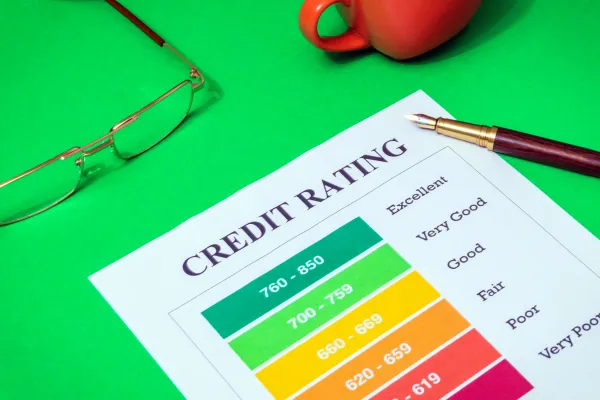
Look out for mistakes or concerning marks on your report. Things like wrong personal information, accounts you don't recognize, or address discrepancies could signal serious trouble. They might indicate identity theft or reporting errors that can impact your credit score for years. Catching these issues before they spiral out of control makes all the difference.
"The modern rental landscape requires a more sophisticated approach to credit evaluation than simply scanning for scores. What we're seeing at Clara is that the narrative behind the numbers often matters more than the numbers themselves. Address discrepancies and unrecognized inquiries can reveal more about a potential tenant's stability than a temporary score dip from responsible credit utilization. Property managers who develop literacy in reading these patterns—rather than just reacting to numerical thresholds—create safer communities while avoiding discriminatory practices that can unfairly exclude good renters who've experienced identity theft or reporting errors. This nuanced approach aligns with both fair housing principles and sound business judgment."
Taylor Wilson, CEO of Rent with Clara
Knowing what constitutes a red flag on your credit report is essential for keeping your finances in check. Your credit report details your entire credit history, and spotting any issues early protects your financial information and future borrowing power.
Red flags show up in various forms throughout your report. They might include incorrect personal details like your social security number or date of birth, unfamiliar credit accounts, or unexpected changes to your address.
These warning signs often appear in specific sections: your personal information area, the summary section showing missed payments, account listings that don't belong to you, or public records you don't recognize. Each section of your credit report serves a purpose, and understanding what should—and shouldn't—be there helps you catch problems fast.
When you check your credit report, focus on a few key areas:
While your credit score gets all the attention, red flags can actually cause more damage to your financial life. Identity theft and credit history problems lead to denied applications for auto loans, mortgages, or even apartment rentals, plus they stick you with higher interest rates on any loan or credit card you do manage to get approved for.
A late payment might temporarily lower your score, but fraudulent accounts or identity theft represent serious threats that can take years to resolve. The impact goes beyond numbers—these issues affect your ability to use credit when you need it most, whether that's buying a home or starting a business.
The table below shows the difference between credit score issues and red flags:
By tackling red flags on your credit report, you can safeguard your credit history and keep your finances healthy.
Identity theft can devastate your financial health, which is why checking your credit report regularly for suspicious patterns is so important. The earlier you catch these indicators, the less damage you'll face and the faster you can prevent and mitigate identity theft.
Seeing accounts or lines of credit you didn't open is one of the clearest signs something's wrong. Maybe there's a credit card from an issuer you've never contacted, or a loan application you know you didn't submit.
When you spot accounts you don't recognize, call the creditor's fraud department immediately. Have them investigate the account, and ask them to freeze or close it to prevent further damage.
These fraudulent accounts don't just hurt your credit—they can rack up debt in your name that collectors will come after you for.
Steps to take:
A sudden address change you didn't request is another major warning sign. Fraudsters often change victim's addresses to redirect mail and hide their activities longer.
If you see addresses on your report where you've never lived, or if your identification is not consistent across accounts, that's activity that indicates the possible existence of identity theft. Check every address listed and report discrepancies to the consumer reporting agencies immediately.
Address discrepancies might seem like small errors, but they're often the first move in a larger fraud scheme.
Hard inquiries from lenders you've never heard of suggest someone's trying to open new credit in your name. These inquiries happen when someone applies for credit using your social security number and other personal details.
Unlike soft inquiries that don't affect your score, these hard pulls can impact your credit score and serve as early warnings. Monitor your report closely and dispute any inquiries you didn't authorize.
The Fair Credit Reporting Act gives you the right to challenge inaccurate information, including inquiries that indicate the possible existence of fraud.
Looking for a complete red flag checklist?
Download our Tenant Screening Red Flags cheat sheet.
Keeping an eye on what your credit report contains goes beyond just checking your score—it's your early warning system for fraud and errors. When you review each section of your credit report, you're looking for specific activity that indicates something's off with your accounts.
Unrecognized hard inquiries are particularly telling because they appear when someone applies for new credit using your social security number, and they can impact your credit score even if the application gets denied. If you see inquiries from card issuers or lenders you've never contacted, that's a potential red flag worth investigating immediately.
Sudden changes tell a story too. Maybe an account you closed is now showing activity, or your lines of credit have changed without you requesting it.
Fraudulent accounts can appear out of nowhere, or your existing accounts might show dramatic balance swings you didn't cause. The key is noticing what doesn't match your actual financial behavior—if your credit card or loan balances are jumping around and you're not the one moving money, it's time to dig deeper before the situation gets worse.
Address discrepancies might seem minor at first glance, but they're often the first clue that something's seriously wrong. When financial information on your report shows addresses you've never lived at, it suggests someone else is trying to use credit in your name at a different location.
Consumer reporting agencies track these details carefully according to address discrepancy rules, and so should you. If you receive a notice of address discrepancy from a lender, or if your identification is not consistent across different accounts, don't brush it off—this pattern often indicates the possible existence of identity theft already in progress.
Unrecognized hard inquiries are a big warning sign. Hard inquiries show when you apply for credit. They can lower your score. If you see inquiries from unknown creditors, it might mean someone's using your info.
Your credit accounts shouldn't surprise you with unexpected changes. When an account status shifts—like a sudden credit limit increase you didn't request, or closed accounts mysteriously reopening—these changes deserve immediate investigation.
The same goes for balance fluctuations that make no sense with your spending patterns. If your credit card balance jumps by thousands overnight and you didn't make those charges, that's activity that indicates the possible misuse of your account by someone else.
These shifts can affect your credit in ways that take months or even years to fully repair, so catching them early matters tremendously for protecting both your score and your financial reputation.
Derogatory marks are the serious issues—the items that can tank your credit score and stick around haunting you for years. We're talking collections, liens, judgments, charge-offs, and bankruptcies that stay on your credit report for up to seven years, or ten years for bankruptcies.
What makes these particularly dangerous is how they affect your ability to get approved for auto loans, mortgages, or even apartment rentals, plus they push your interest rates sky-high on any credit you do manage to secure. These marks don't just appear by accident—they typically result from unpaid debts or legal actions taken against you.
What's even worse is when you spot derogatory marks for accounts you never opened or bankruptcies you never filed, which clearly points to identity theft.
Collections show up when credit card companies or other creditors give up trying to collect from you directly and sell your debt to a collections agency. A tax lien means you owe the IRS, and a judgment means someone successfully took you to court over unpaid debt.
Here's what catches people off guard: these public records can appear even if you thought you'd settled things, or worse, they might show up for debts that aren't even yours. Sometimes incorrect social security number entries or address discrepancies in the system lead to someone else's collections appearing on your report.
If you see any public records like these that don't match your actual financial history, you're looking at either a reporting error or fraud—both situations need immediate attention and aggressive follow-up.
A charge-off doesn't mean you're off the hook—it just means the creditor wrote off your debt as a business loss, but you still legally owe the money. Settlements can actually be strategic moves if you negotiate them yourself, paying less than the full amount to resolve a debt you legitimately owe.
But if you see settled accounts you didn't settle, that's deeply concerning. The real nightmare scenario? Finding a bankruptcy on your report that you never filed.
This type of fraudulent activity requires an aggressive response because it suggests someone used your date of birth, social security number, and other personal details to file bankruptcy in your name, trying to wipe out their debts while destroying your credit and your ability to use credit for years to come.
You might see a bankruptcy on your report that you didn't file. This could be identity theft or a mistake by the credit agency.
It's key to quickly dispute these errors with the credit bureau and the creditor. You can also reach out to services like Experian to report the issue and ask for a fix.
Your payment history carries the most weight in credit scoring models—it accounts for roughly 35% of your score, which is why errors here hurt the most. That's exactly why you need to scrutinize this section of your credit report so carefully for any inaccuracy or suspicious patterns.
The Fair Credit Reporting Act guarantees your right to accurate reporting, which means when consumer reporting agencies show incorrect information in your payment records, you have solid legal grounds to dispute it. Look for patterns that don't match your banking records: payments you know you made on time showing up late, accounts marked delinquent when they're actually current, or payment histories that simply don't align with your actual financial behavior.
Here's where things get frustrating. Your payment data should be consistent with the history you've actually built with your creditors, but sometimes different bureaus show completely different information for the same account.
One bureau might show your loan or credit card payment as on time while another marks it late for the exact same payment. These inconsistencies can impact your credit score differently across all three bureaus, which is precisely why you need to pull reports from Equifax, Experian, and TransUnion rather than just checking one.
Misreported late payments are particularly maddening—you made the payment, you have the bank statement proving it, but somehow it's still showing up wrong. Don't let these slide just because disputing seems like a hassle; they're often simple errors that correct inaccuracies through a quick dispute process, immediately improving your score once the bureaus fix them.
Steps to check for inconsistent payment reporting:
Misreported late payments can also hurt your score. If a creditor says you paid late when you didn't, you need to fix this fast. Fixing these errors can help your score go up.
To correct misreported late payments:
Accounts wrongly marked as delinquent can completely derail loan applications and increase your interest rates across all your current credit accounts, costing you thousands over time. Maybe it's a reporting lag where your payment hasn't been posted yet, maybe it's a clerical error at the creditor, or maybe someone else's payment history got mixed with yours because of similar names or an incorrect social security number in the system.
Whatever the cause, accounts showing as delinquent when you've been paying on time need immediate correction—not next month, not when you remember, but now. This becomes especially critical if you're trying to improve your credit mix by adding different types of credit, or if you're applying for new financing.
Lenders use credit reports as their primary tool for making lending decisions, and delinquent marks are automatic red flags in their underwriting process that can mean instant denial regardless of your income or other qualifications.
Being careful about these payment history red flags can protect your credit score. Regular checks and quick action can help keep your credit in good shape.
Finding problems on your credit report to make sense of them requires a systematic, documented approach rather than panic or procrastination. The Fair Credit Reporting Act protects your right to accurate reporting, so when you spot issues, you have legal backing to demand corrections.
Start by documenting everything—take screenshots of online accounts, save paper statements, keep copies of all correspondence. You'll need this evidence whether you're disputing with bureaus or working directly with creditors to resolve problems.
Speed matters here because the longer incorrect information on your credit report stays there, the more it can affect your credit opportunities and cost you real money in higher interest rates, denied applications, or even lost job opportunities since some employers check credit reports.
The dispute process isn't complicated, but it absolutely requires follow-through and persistence. File formal disputes with all three consumer reporting agencies where the error appears, being completely specific about what's wrong and exactly why it's incorrect.
Include documentation that proves your case—bank statements, payment confirmations, identity documents, whatever supports your claim. While those disputes are processed (which can take 30-45 days), reach out to the creditor directly since sometimes they can fix things faster on their end by updating the information they report.
If you're dealing with address discrepancies or accounts you never opened that point to identity theft, you'll also need to file an official identity theft report with the FTC and possibly a police report. For legitimate debts you're genuinely struggling with, creditors might offer payment plans or settlements to resolve things, but here's the critical part: get any agreement in writing before you pay a single cent, because verbal promises mean nothing if the written identity theft prevention program protocols aren't followed.
Be detailed and keep pushing when disputing errors. You can also learn more about spotting red flags in your credit report.
Disputing errors is just the start. You also need to work with your creditors to fix red flag issues. This might mean:
Working with your creditors can solve problems and protect your credit report.
The Red Flags Rule isn't just bureaucratic paperwork that financial institutions hate dealing with—it's actual protection that requires banks, credit unions, and lenders to maintain a written identity theft prevention program and actively watch for suspicious patterns. This means these institutions must spot and respond to activity that indicates the possible existence of identity theft, and they're supposed to notice things like address discrepancy rules violations or notice of address discrepancy situations where your identification is not consistent with their existing records for your account.
Understanding these legal protections helps you hold institutions accountable when they drop the ball. Meanwhile, build your own personal identity theft prevention program by monitoring your reports at least quarterly, freezing your credit when you're not actively applying for anything, setting up fraud alerts when you suspect problems, and being extremely cautious about where you share your social security number or date of birth.
These proactive steps prevent and mitigate identity theft before it becomes a full-blown disaster, keeping your financial information secure and your ability to access lines of credit when you actually need them.
Your credit report isn't carved in stone—it's a living document that reflects your financial life, for better or worse, and changes every single month as creditors report new information. The difference between people who maintain strong credit and those who constantly struggle often comes down to one simple habit: regular monitoring.
Check your reports at least annually since you're legally entitled to free copies, but quarterly monitoring is smarter if you're actively using credit or working to recover from past issues. When you use credit reports as an ongoing monitoring tool rather than just pulling them when you're applying for loans, you catch problems while they're still small and fixable.
This proactive approach protects both your credit mix—the variety of types of credit you have—and your overall score, ensuring that when you need credit for something important like buying a home or starting a business, your report accurately reflects your true creditworthiness instead of showing someone else's mistakes or fraudulent activity that's been sitting there unreported for months.




.png)

.png)
.png)

.png)

.png)